

Marketing has changed dramatically over the years. While traditional methods such as television adverts, newspapers and printed leaflets still have a place, social media has introduced a faster and more interactive way for businesses to connect with customers. As a result, many businesses now compare social media marketing with traditional marketing when deciding where to invest their time and budget.
Both approaches have their strengths. However, they work differently and can deliver different types of results. A strong social media marketing strategy can help a business build conversations and reach specific audiences, while traditional marketing can provide broad exposure and a sense of familiarity. Understanding these differences can help you choose the right approach for your business.
What Is Traditional Marketing?
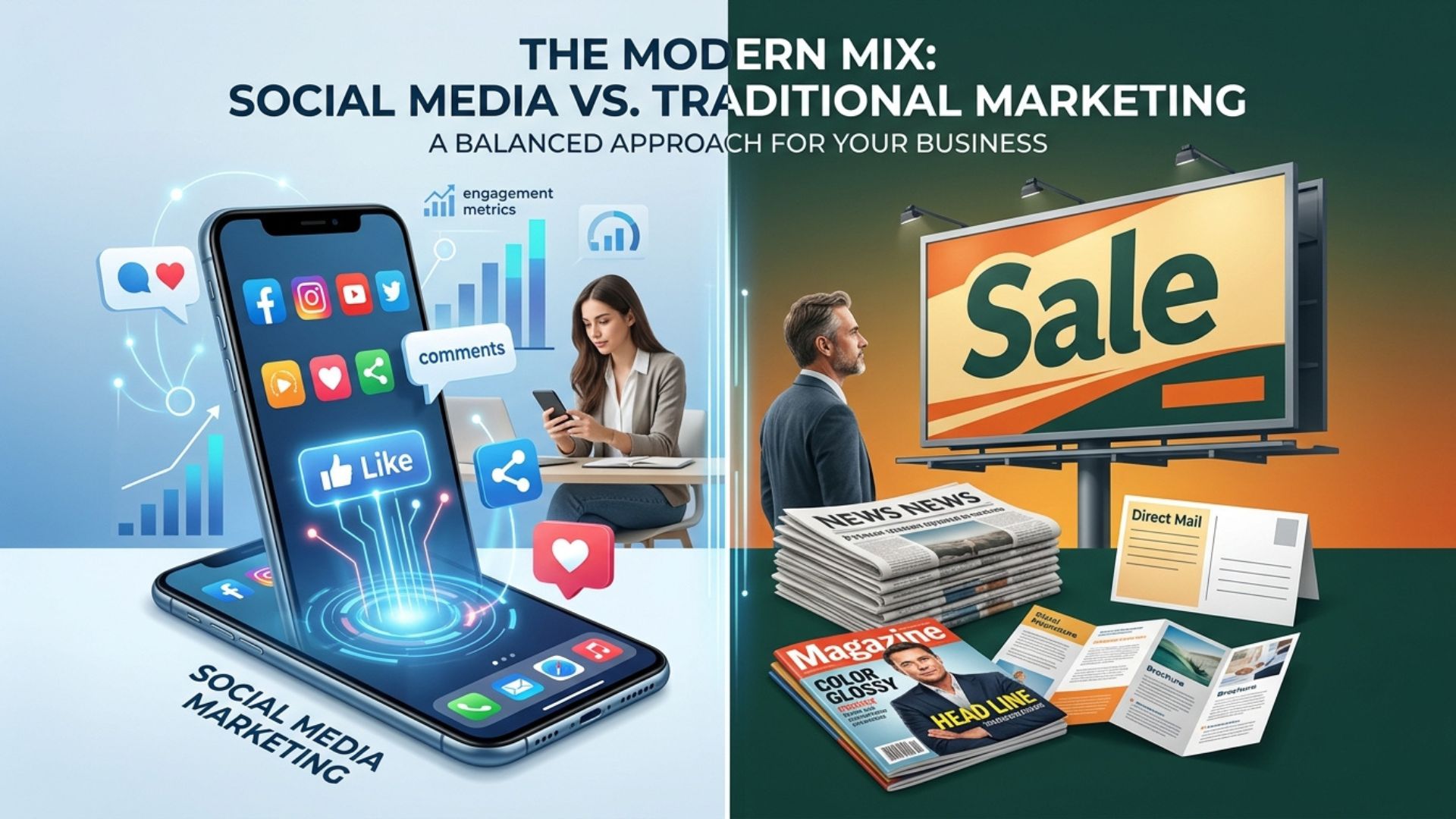
Traditional marketing refers to promotional methods that existed before digital platforms became part of everyday life. These methods include television and radio advertising, newspapers, magazines, billboards, direct mail and printed brochures.
One of the biggest advantages of traditional marketing is its ability to reach people through familiar channels. For example, a billboard in a busy shopping area can expose a business to thousands of people every day. Similarly, a local newspaper advert can help a business reach residents within a specific area.
However, traditional marketing often offers less direct interaction. Once an advert appears in a newspaper or on a billboard, customers cannot immediately respond through the same medium. Therefore, businesses may find it harder to understand exactly how people reacted to their campaigns.
What Is Social Media Marketing?
Social media marketing uses platforms such as Instagram, Facebook, LinkedIn and TikTok to promote a business, communicate with audiences and build brand awareness. Instead of simply presenting an advert, businesses can create ongoing conversations with potential and existing customers.
A social media marketing strategy can include educational posts, short videos, customer stories, product updates, polls and behind the scenes content. Furthermore, businesses can respond to comments and messages, creating a more personal experience.
Another major advantage is targeting. Businesses can use audience information and platform tools to reach people based on interests, location and other characteristics. Consequently, a well planned campaign can put your message in front of people who are more likely to be interested in your products or services.
Comparing Reach and Audience Targeting

Traditional marketing can offer impressive reach, particularly through television, radio and outdoor advertising. However, reaching a large audience does not necessarily mean reaching the right audience.
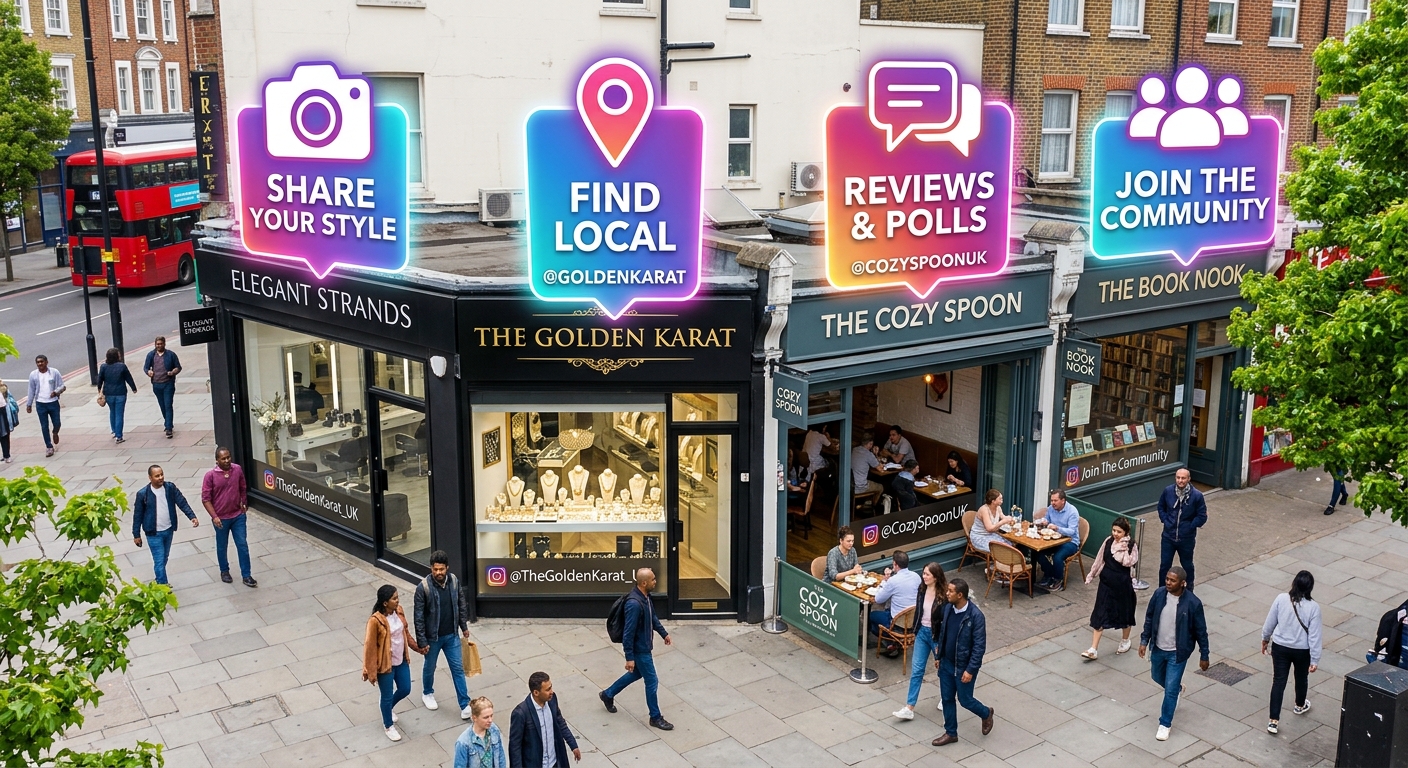
Social media provides more opportunities for targeted communication. For example, a local jewellery business could create content specifically for people interested in jewellery, weddings or particular styles. A business competing with southall jewellery shops could also use location focused content to connect with people searching for jewellery businesses in the area.
Therefore, social media can provide greater control over who sees particular campaigns. Traditional advertising can still work effectively for broad awareness, but social platforms often provide more detailed audience targeting options.
Cost and Budget Considerations
Marketing costs vary considerably depending on the platform, campaign and business. Traditional advertising can become expensive when you consider television slots, magazine placements, billboards and printing costs.
Social media can provide a more flexible starting point. Businesses can create organic content without paying for every post, while paid advertising allows them to set specific budgets and adjust campaigns according to performance.
However, affordable does not mean effortless. Creating high quality content takes time, planning and creativity. A business might also work with a digital marketing agency to manage content creation, advertising and strategy.
Ultimately, your budget should reflect your objectives. Rather than choosing the cheapest option, consider which channel can provide the most valuable results for your particular audience.
Engagement and Customer Relationships
One of the biggest differences between the two approaches is interaction. Traditional marketing usually communicates in one direction. A business delivers its message, and the customer decides whether to respond.
Social media creates opportunities for two way communication. Customers can comment on posts, send messages, ask questions and share content with their own followers. Businesses can respond directly and develop stronger relationships over time.
This interaction can also provide useful insights. By monitoring comments and conversations, businesses can discover what customers like, what concerns them and which topics generate interest.
Consequently, social media marketing is not simply about promoting products. It can also become an important channel for customer service and community building.
Measuring Marketing Performance
Another important difference involves measurement. Traditional marketing can sometimes make performance difficult to track accurately. For instance, you might know how many people potentially saw a billboard, but it can be difficult to determine exactly how many contacted your business because of it.
Social platforms provide a range of measurable data. Depending on the platform and campaign, you can monitor reach, impressions, engagement, clicks, profile visits and other performance indicators.
This information can help you refine your social media marketing strategy. If one type of post performs particularly well, you can create more content around that topic. Similarly, if a campaign receives little engagement, you can review the message, creative or audience targeting.
As a result, social media allows businesses to make decisions based on ongoing performance rather than relying entirely on assumptions.
Building Brand Awareness
Both traditional and social media marketing can strengthen brand awareness, but they do so in different ways. Traditional advertising can help establish familiarity through repeated exposure. Seeing the same brand on a billboard, magazine or television advert can make it more recognisable.
Social media, meanwhile, allows brands to develop a more detailed personality. Businesses can show their expertise, share their values and communicate with followers regularly.
For example, a jewellery business could share styling ideas, educational information and customer experiences. Someone who regularly sees this content may gradually become familiar with the brand before they are ready to make a purchase.
Therefore, consistency matters. A strong social media presence can help keep your business visible while creating opportunities for meaningful interactions.
Which Approach Is Better for Local Businesses?
Local businesses often benefit from combining different marketing channels. Traditional marketing can help build recognition within a local community, while social media can provide ongoing communication and targeted promotion.
For example, businesses operating near southall jewellery shops could combine local advertising with location focused social media content. They could share new products, answer customer questions and highlight their expertise online while maintaining a physical presence in the local area.
Similarly, a restaurant might use printed menus or local advertising alongside Instagram videos and customer reviews. The key is to understand where your customers spend their time and how they prefer to discover businesses.
Rather than asking which method is universally better, consider which combination supports your specific goals.
Why a Balanced Approach Can Work
You do not necessarily have to choose between social media and traditional marketing. In fact, combining both can create a stronger overall marketing strategy.
Traditional advertising can introduce your business to a wider local or regional audience. Then, social media can give interested people a place to learn more, interact with your brand and stay connected.
For example, someone might discover your business through a printed advert and later visit your Instagram profile. If your social media marketing strategy provides useful and engaging content, that person may become more familiar with your brand and eventually enquire or purchase.
A digital marketing agency can also help businesses coordinate different channels so that campaigns share consistent messaging and branding.
Choosing the Right Marketing Strategy
The right marketing approach depends on your audience, goals, industry and budget. Traditional marketing can remain valuable when you need broad visibility or want to reach people through established media channels.
Social media, however, offers powerful opportunities for interaction, targeting and performance tracking. Therefore, businesses that want to build ongoing relationships with their audience should consider making social media an important part of their marketing plans.
Start by identifying your goals and understanding where your target customers spend their time. Then test different approaches, monitor the results and make adjustments based on what you learn.
Ultimately, successful marketing is not about choosing the newest or oldest method. It is about delivering the right message to the right people through the right channels. With a thoughtful social media marketing strategy and a clear understanding of traditional marketing, businesses can create a more balanced and effective approach to reaching their customers.
FAQ
What is the difference between social media marketing and traditional marketing?
Social media marketing uses digital platforms to promote businesses and interact with audiences, while traditional marketing uses channels such as television, radio, newspapers, magazines and billboards.
Is social media marketing better than traditional marketing?
Neither approach is automatically better. Social media offers strong targeting, interaction and performance tracking, while traditional marketing can provide broad visibility and local recognition. The right choice depends on your business goals and audience.
Why is a social media marketing strategy important?
A social media marketing strategy gives your business a clear plan for creating and sharing content. It can help improve brand awareness, audience engagement, website traffic and customer relationships.
Is social media marketing cheaper than traditional marketing?
Social media can offer flexible budgets, particularly for organic content and paid campaigns. However, costs still depend on content creation, advertising spend, tools and management. Traditional advertising costs vary depending on the medium and campaign size.
Can businesses use social media and traditional marketing together?
Yes. Combining both approaches can create a more comprehensive marketing strategy. Traditional advertising can generate awareness, while social media can provide ongoing communication and engagement.
How can local businesses benefit from social media marketing?
Local businesses can use social media to showcase their products or services, engage with nearby customers, share updates and promote location relevant offers. This can complement traditional local advertising.