



The hospitality industry moves quickly, and guests rarely make decisions without checking their phones first. Whether they are searching for the best boutique hotel in a new city, a cosy café for breakfast, or Indian food in Slough for a spontaneous dinner, their first action is usually a local search. This is why focusing on local SEO hospitality UK has become essential rather than optional. When customers can instantly compare restaurants, hotels, or event venues with a single tap, visibility becomes just as important as quality service.
Many hospitality businesses still rely heavily on foot traffic, traditional advertising, or word of mouth. These methods still matter, but they are no longer enough on their own. With guests expecting instant answers, reviews, menus, and booking options, a strong online presence supported by local optimisation helps you attract the audience already looking for what you offer.
In fact, London’s leading marketing agency often reminds businesses that showing up at the right moment can make the difference between a full dining room and a quiet evening. A well-planned strategy from a digital marketing agency ensures you are not just seen, but chosen.
What Makes Local SEO Different for Hospitality?
Unlike other industries, hospitality relies heavily on immediacy. People who search for a hotel, restaurant, or takeaway rarely plan far ahead. They take action based on convenience, proximity, and reviews. This means your local SEO must combine accuracy, relevancy, and user experience. When someone searches for Indian food in Slough, for example, they want the top spot to show them a place that looks inviting, trustworthy, and close enough to visit without hassle.
The local SEO hospitality UK landscape is also shaped by competition. London, Manchester, Birmingham, Glasgow, Leeds, and other major cities are filled with hotels, bars, pubs, and restaurants competing for the same customers. Even smaller towns now have diverse dining and accommodation options. This growing competition means businesses must go beyond generic optimisation and truly understand what their local audience wants.
Think about how travellers behave today. They rely on Google Maps, TripAdvisor, and social platforms to make quick decisions. They read reviews, compare photos, check menus, and even look at wait times. If your business does not appear in their search journey, you are missing out on customers who are actively looking to spend money.
Case Study: How a Local Restaurant Improved Visibility
To understand how local optimisation works in practice, let’s look at a simplified example of a family-run Indian restaurant in Slough. They had a loyal local following but struggled to attract new customers, especially from nearby towns and travellers passing through. Their goal was simple. They wanted to appear when people searched for Indian food in Slough or popular meal-related searches.
The first step was cleaning and updating their Google Business Profile. Before optimisation, their opening hours were wrong, the location pin was slightly off, and reviews were inconsistent. After updating details, adding new images, encouraging customer reviews, and writing weekly Google Posts, they saw a noticeable improvement in engagement.
Next, the restaurant improved the content on its website, focusing on the dishes customers searched for most frequently. They wrote simple descriptions of signature meals, highlighted offers, and ensured the site loaded quickly on mobile. Calls and directions requests increased within weeks.
They also worked with London’s leading marketing agency and consulted a digital marketing agency to help refine long-tail keywords and local search terms. Within two months, the restaurant saw higher website traffic, better ranking for local food searches, and more walk-ins from new customers. This real-world example shows how businesses of any size can benefit from thoughtful local optimisation.
Creating a Strong Google Business Profile
Your Google Business Profile is usually the first impression potential guests get. It should feel complete and welcoming. Many hospitality businesses ignore this simple tool, but it plays one of the biggest roles in local SEO hospitality UK. Make sure your address, hours, phone number, website link, and categories are accurate. Upload recent photos, including food, rooms, menus, and exterior shots. Guests want to know what they’re getting into before they arrive.
Encourage happy customers to leave reviews and always respond to them, whether they’re positive or constructive. Engaging with reviews shows you care about customer experience and helps build trust. Post updates regularly so people know about events, new menus, seasonal offerings, or behind-the-scenes moments.
Building Content That Speaks to Local Audiences

Hospitality content should feel warm, inviting, and genuinely helpful. Search engines reward pages that answer real questions. Think about what people are looking for when searching for hotels, restaurants, cafés, or bars. They want to know what makes your place special. Describing your dishes, explaining the inspiration behind your menu, or sharing your story can strengthen your online identity.
If a visitor searches for Indian food in Slough, they are likely interested in flavour, authenticity, and value. A welcoming blog post about traditional recipes or how your chef prepares certain dishes can help you connect with your audience. Similarly, a hotel can write guides on exploring the local area, offering insider recommendations for tourists.
Local content works best when it feels personal. It should highlight neighbourhood charm, relatable experiences, and reasons why someone would want to choose you over nearby competitors.
On-Page Optimisation for Better Ranking
Your website should use relevant keywords naturally. This includes headings, meta titles, image descriptions, and main content. Don’t overload the page. Instead, focus on clear phrases your customers would use. Since this blog focuses on local SEO hospitality UK, that term should appear in strategic places. Pair it with regional names, food styles, or accommodation types. This helps search engines understand exactly who you want to reach.
Mobile friendliness is crucial. Travellers nearly always search on their phones, so your site should load swiftly, look clear, and provide immediate access to menus or booking pages. Hospitality websites with easy navigation often perform far better in search results.
Building Local Links and Partnerships
Partnerships are powerful in hospitality. Working with nearby businesses, local bloggers, tourism boards, or community organisations can help you get noticed. Feature collaborations on your website and social platforms. Ask partners to link to your site. These local backlinks help signal to search engines that your business is trusted within the community.
Consider connecting with regional newspapers, local influencers, or neighbourhood magazines. They often look for content related to food, hotels, or events and may happily feature your business. These features add credibility and strengthen your overall local SEO.
Using Social Media to Support Local SEO
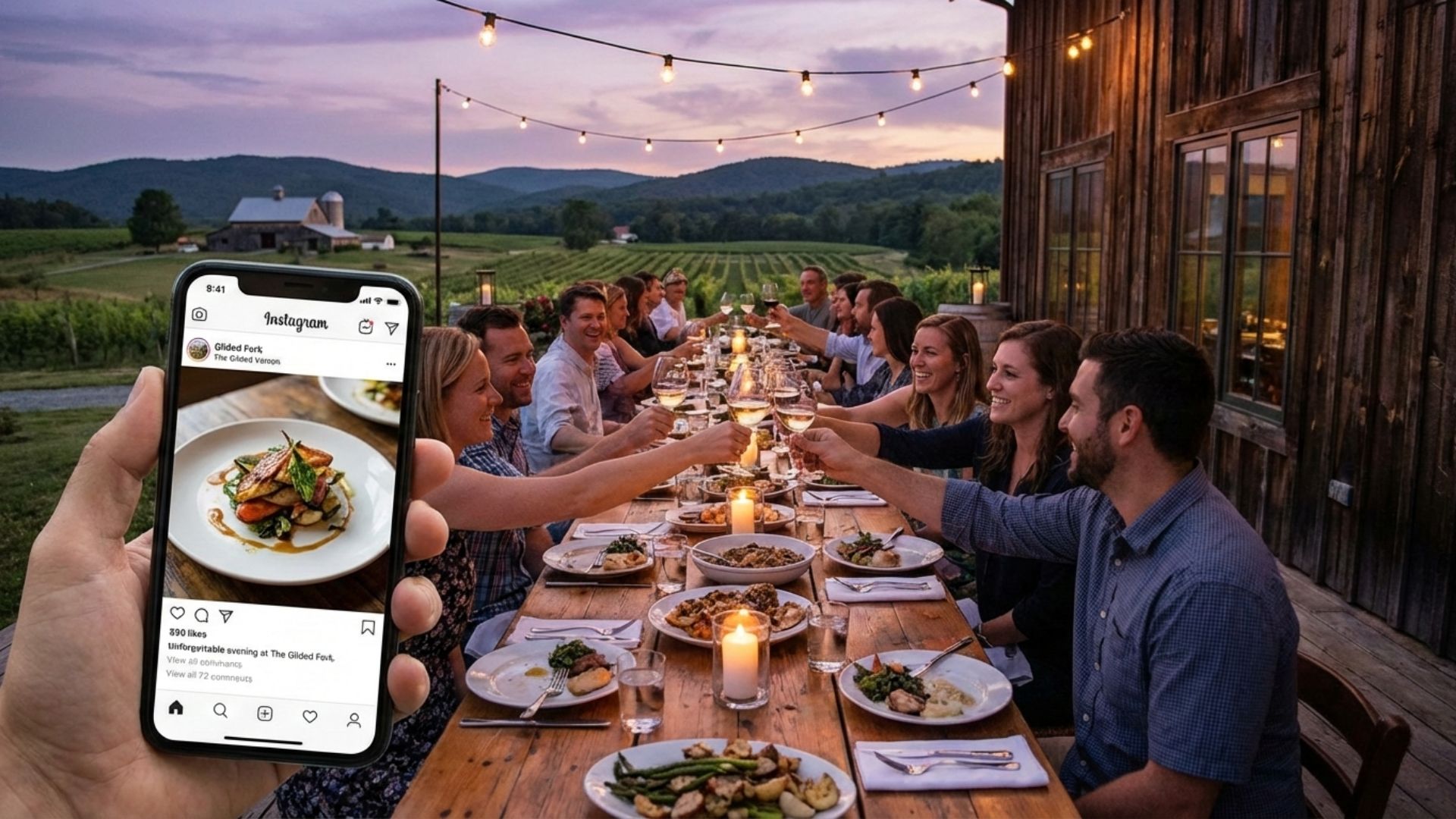
While social media does not directly affect ranking in the same way as search engines, it increases visibility and encourages engagement. When guests share photos and videos, others become curious. A strong social presence can guide more people to your website or Google listing.
Share real moments from your hospitality venue. Behind-the-scenes shots, chef highlights, décor updates, customer celebrations, and seasonal menus all help build your story. Over time, this boosts recognition and encourages more people to search for your business.
Best Practices That Hospitality Businesses Should Follow
For hospitality brands aiming to improve local SEO hospitality UK, the most effective approach is consistent effort. Keep your information updated, publish fresh content, and monitor how customers interact with your listing. Review trends regularly to see which keywords or searches bring people to your site.
Another essential tip is to analyse what your competitors are doing. Look at restaurants, hotels, or cafés that consistently appear at the top of search results. Study their strengths and how they present themselves. This offers insight into what customers respond to in your area.
Finally, remember that hospitality thrives on trust. Local optimisation is not just about algorithms or rankings. It is about showing potential guests that your business is reliable, welcoming, and worth visiting.
Bringing It All Together
The hospitality industry is evolving quickly, and local search plays a huge role in attracting customers. From restaurants offering Indian food in Slough to boutique hotels in busy city centres, visibility is everything. By focusing on local SEO hospitality UK, building strong content, maintaining your Google Business Profile, and seeking expert advice when needed, you create a stronger digital presence.
Working with London’s leading marketing agency or a seasoned digital marketing agency can help refine your strategy even further. With the right approach, your hospitality business can reach more customers, build long-lasting relationships, and grow sustainably.
FAQ
Local SEO helps hospitality businesses appear in search results when customers look for services nearby. Whether someone searches for hotels, cafés, restaurants, or Indian food in Slough, local optimisation ensures your business shows up at the right moment. It is especially important for attracting nearby guests and travellers who make quick decisions based on convenience and trust.
Most customers now search online before choosing where to eat or stay. Appearing at the top of local results helps boost bookings, walk-ins, and reservations. In a competitive market like the UK, local SEO hospitality UK strategies help your business stand out, especially when competing with multiple restaurants, hotels, and cafés in the same area.
A complete and accurate Google Business Profile boosts your chances of appearing in local searches and on Google Maps. Adding photos, updating hours, responding to reviews, and posting regular updates can significantly increase engagement. Many businesses see more calls and direction requests simply by keeping their profile active.
Social media does not directly influence search rankings, but it does help increase online visibility. When customers share photos, tag your business, and engage with your posts, it strengthens your overall presence and encourages more people to search for you online. This indirectly supports your local SEO hospitality UK strategy.
Common mistakes include outdated information on Google, inconsistent contact details, low-quality photos, slow websites, and ignoring reviews. Hospitality customers expect accuracy and transparency. Even small errors can lead to missed bookings or poor impressions.
Absolutely. Local SEO does not favour big brands. A small restaurant serving Indian food in Slough or a boutique hotel in a quiet town can rank highly if they optimise correctly. Good reviews, accurate profiles, fast websites, and helpful local content often outperform larger competitors who neglect their local presence.