



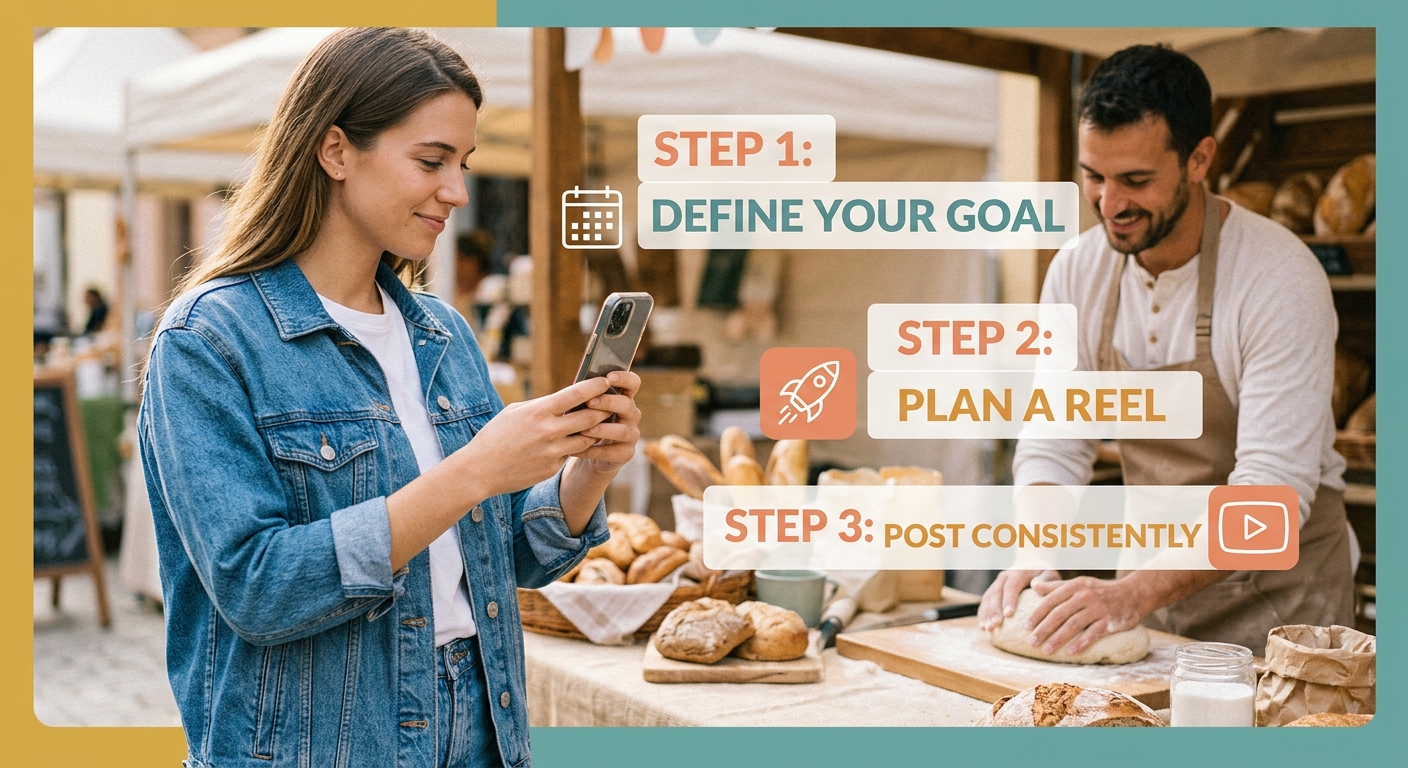

Social media has become one of the easiest ways for businesses to connect with customers, build trust and increase brand awareness. However, simply posting a photo or sharing an occasional update does not guarantee results. You need a clear social media strategy that gives every post a purpose and helps your business reach the right people.
For beginners, social media marketing can feel overwhelming. There are several platforms to choose from, different types of content to create and plenty of metrics to understand. Fortunately, you do not need to master everything at once. With a simple approach, you can build a strategy that suits your goals, audience and budget.
Whether your business is small, medium, or expanding its online presence, paid search campaigns can deliver measurable results, helping turn search interest into bookings, consultations, and sales. Platforms like Google Ads allow precise targeting, including location, demographics, device, and search intent.
What Is a Social Media Strategy?
A social media strategy is a planned approach to using social platforms to achieve specific business goals. It explains what you want to achieve, who you want to reach, what content you will create and how you will measure success.
Instead of posting whenever you have something to share, a strategy helps you create content with a clear reason behind it. For example, a jewellery business might use social media to showcase new designs, educate customers about gemstones and encourage people to visit its website.
Therefore, your social media strategy should support your wider marketing goals. When everything works together, social media becomes more than a place to post updates. It becomes a useful channel for building relationships and generating business.
Start By Defining Your Goals
Before choosing platforms or creating content, decide what you want social media to achieve. Clear goals make it much easier to decide whether your efforts are working.
Your goals might include increasing brand awareness, attracting website visitors, generating enquiries, increasing sales or building a loyal community. However, try not to focus on too many goals at once. Start with one or two priorities that matter most to your business.
For example, a new business may focus on increasing awareness, while an established company may want to generate more enquiries. Similarly, a local jewellery shop might want to attract customers from nearby areas.
Most importantly, make your goals measurable. Rather than saying you want more engagement, you could aim to increase meaningful interactions over a specific period. This gives you something concrete to monitor and improve.
Know Your Target Audience
A successful social media presence starts with understanding your audience. You need to know who you are talking to before deciding what to say.
Consider your customers’ age range, interests, location, shopping habits and common concerns. You should also think about what questions they ask before making a purchase. These insights can help you create content that feels useful rather than promotional.
For instance, a jewellery brand targeting engaged couples could share advice about choosing wedding rings, gemstone education and jewellery care tips. Meanwhile, content for younger fashion conscious customers might focus on styling ideas and current jewellery trends.
Additionally, look at your existing customers. Their questions, reviews and feedback can reveal valuable content ideas. As a result, your social media strategy becomes more relevant because you create posts around genuine customer interests.
Choose the Right Social Platforms

You do not need to be active on every social media platform. In fact, trying to manage too many platforms can reduce the quality and consistency of your content.
Instead, choose platforms where your target audience is most likely to spend time. Instagram works particularly well for visual industries such as jewellery, fashion, beauty and hospitality. Facebook can help local businesses connect with communities, while LinkedIn can suit professional services and business focused brands.
TikTok and YouTube can also work well for businesses that can create engaging video content. However, the best platform depends on your audience and objectives.
Therefore, start with one or two platforms and learn what works. Once you become comfortable with your process, you can gradually expand your presence.
Create Useful and Engaging Content
Content sits at the centre of every effective social media strategy. However, your content should not constantly ask people to buy something.
Instead, aim for a healthy mixture of educational, entertaining, inspirational and promotional content. This gives followers different reasons to interact with your brand.
A jewellery business, for example, could share styling tips, behind the scenes videos, customer stories, jewellery care advice and new product announcements. You could also introduce the people behind the business to make your brand feel more personal.
Furthermore, visual content often performs well on social platforms. High quality photographs, short videos, tutorials and demonstrations can help customers understand your products or services quickly.
The key is consistency. You do not need to publish every day, but you should maintain a realistic schedule that your business can manage.
Build a Simple Content Calendar
A content calendar can make social media much easier to manage. It allows you to plan posts in advance instead of deciding what to publish at the last minute.
Start by deciding how often you can realistically post. Then, create a simple weekly structure. For example, Monday could focus on education, Wednesday could feature a product or service and Friday could share something more personal or entertaining.
You can also plan content around seasonal events, industry trends and important dates. However, leave some space for spontaneous posts when relevant conversations or trends appear.
Most importantly, avoid making your calendar too complicated. A simple spreadsheet can be enough when you are starting. Over time, you can use scheduling tools to organise your content and save valuable time.
Make Your Brand Consistent
Consistency helps people recognise your business. This includes your visual style, tone of voice, colours, imagery and the way you communicate with followers.
Your posts should feel like they come from the same brand, even when the content changes. For example, a premium jewellery business may choose a polished and sophisticated tone, while a younger lifestyle brand might use a more relaxed and playful style.
However, consistency does not mean making every post identical. You can experiment with different formats while keeping your overall identity recognisable.
Additionally, make sure your social profiles contain accurate business information. Your profile image, description, website link and contact details should make it easy for potential customers to understand what you offer.
Engage With Your Audience
Social media is not a one way communication channel. If you only publish posts without responding to people, you could miss valuable opportunities to build relationships.
Reply to comments, answer questions and acknowledge genuine feedback. You can also encourage conversations by asking simple questions in your captions or creating interactive stories.
For local businesses, engagement can be especially useful. Someone searching for southall jewellery shops may discover a business through social content before visiting its website or physical shop. Therefore, showing your personality and responding professionally can help turn interest into trust.
Likewise, a digital marketing agency london can use social media engagement to demonstrate expertise and build relationships with potential clients. Genuine conversations often feel more natural than constant sales messages.
Measure What Is Working
You cannot improve your social media strategy if you do not monitor its performance. Fortunately, you do not need to track every available metric.
Start with metrics that relate directly to your goals. These might include reach, engagement, profile visits, website traffic, enquiries or conversions.
For example, if your goal is brand awareness, reach and impressions may provide useful insights. If you want website traffic, monitor link clicks and visits from social media.
Review your results regularly and look for patterns. Perhaps short videos receive more engagement than static images, or educational posts generate more website visits than promotional content.
Then, use these insights to refine your approach. Social media rarely produces perfect results immediately, so testing and learning should form part of your ongoing strategy.
Avoid Common Beginner Mistakes
One common mistake is trying to sell in every post. People usually follow brands because they find their content interesting, useful or entertaining. Consequently, constant promotional messages can quickly become repetitive.
Another mistake is copying competitors without understanding why their content works. Take inspiration from successful businesses, but develop your own identity and ideas.
Inconsistent posting can also make it harder to build momentum. However, posting too frequently without providing value can create the opposite problem. Focus on quality and consistency rather than simply increasing your posting volume.
Finally, do not ignore comments or messages. People who take the time to contact your business deserve a helpful response. Good communication can strengthen trust and improve the overall customer experience.
Turn Social Media Into a Long Term Strategy
Building a successful social media presence takes time. You may not see significant results after your first few posts, and that is completely normal. The goal is to create a sustainable process that improves with experience.
Start with clear goals, understand your audience, choose suitable platforms and create useful content. Then, track your results and make adjustments based on what you learn.
For example, if you run southall jewellery shops, you could combine local content, jewellery education, customer stories and product showcases to attract people searching for relevant services. Similarly, a digital marketing agency london can demonstrate its expertise through practical marketing advice, case studies and useful insights.
Ultimately, a good social media strategy is not about being everywhere. It is about being consistent, useful and relevant in the places where your audience already spends time. Start small, learn from your results and improve your approach as your business grows.
FAQ
What is a social media strategy?
A social media strategy is a planned approach to using social media platforms to achieve specific business goals. It covers your target audience, content, platforms, posting schedule and performance measurements.
Why is a social media strategy important for beginners?
A clear social media strategy helps beginners avoid random posting and focus on content that supports their business goals. It also makes it easier to understand what works, maintain consistency and build stronger relationships with customers.
Which social media platform should a beginner use?
The right platform depends on your audience, industry and goals. Instagram can work well for visual businesses, while LinkedIn suits professional services. Facebook can also be useful for local businesses and community engagement.
How often should I post on social media?
There is no single posting frequency that works for every business. Beginners should choose a realistic schedule they can maintain consistently. Quality and relevance generally matter more than simply publishing as often as possible.
What type of content should businesses post?
Businesses can share educational tips, behind the scenes content, customer stories, product information, videos and promotional updates. A balanced content mix can keep your audience interested without making every post feel like an advertisement.